12 Kitchens Without Upper Cabinets That Store It All
Removing upper cabinets is the fastest way to make a kitchen feel bigger: the walls open up, the light reaches further, and the room stops feeling like a corridor of boxes. The fear is always the same — where does everything go? The answer is that upper cabinets hold less than people think, and the replacements hold more. These 12 swaps prove it.
Where Everything Goes Instead
1. Deep drawers beat wall cabinets for daily things. Plates, bowls and pans live better in deep base drawers than up high: easier to reach, easier to see, and kinder on backs. One bank of deep drawers replaces a whole run of wall units for everyday items.
2. One tall unit holds the rest. A single floor-to-ceiling larder unit — pull-outs inside, doors outside — swallows the dry goods, small appliances and baking trays that used to live overhead. Pantry planning is in our kitchen pantry organization ideas guide.
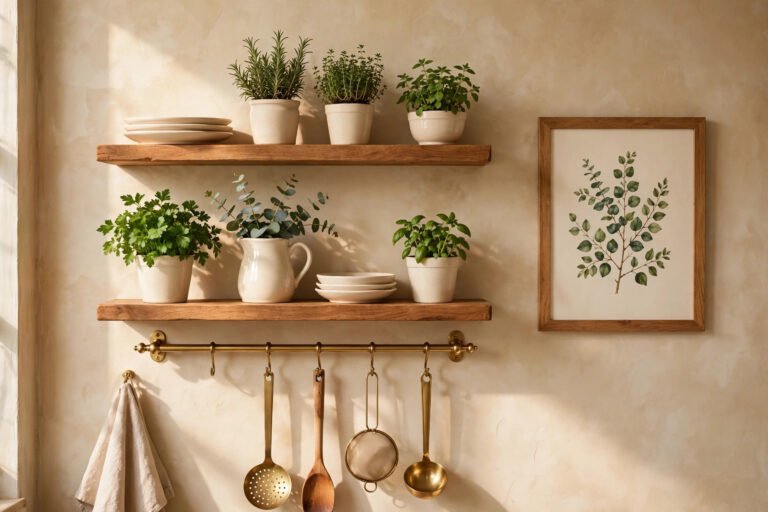
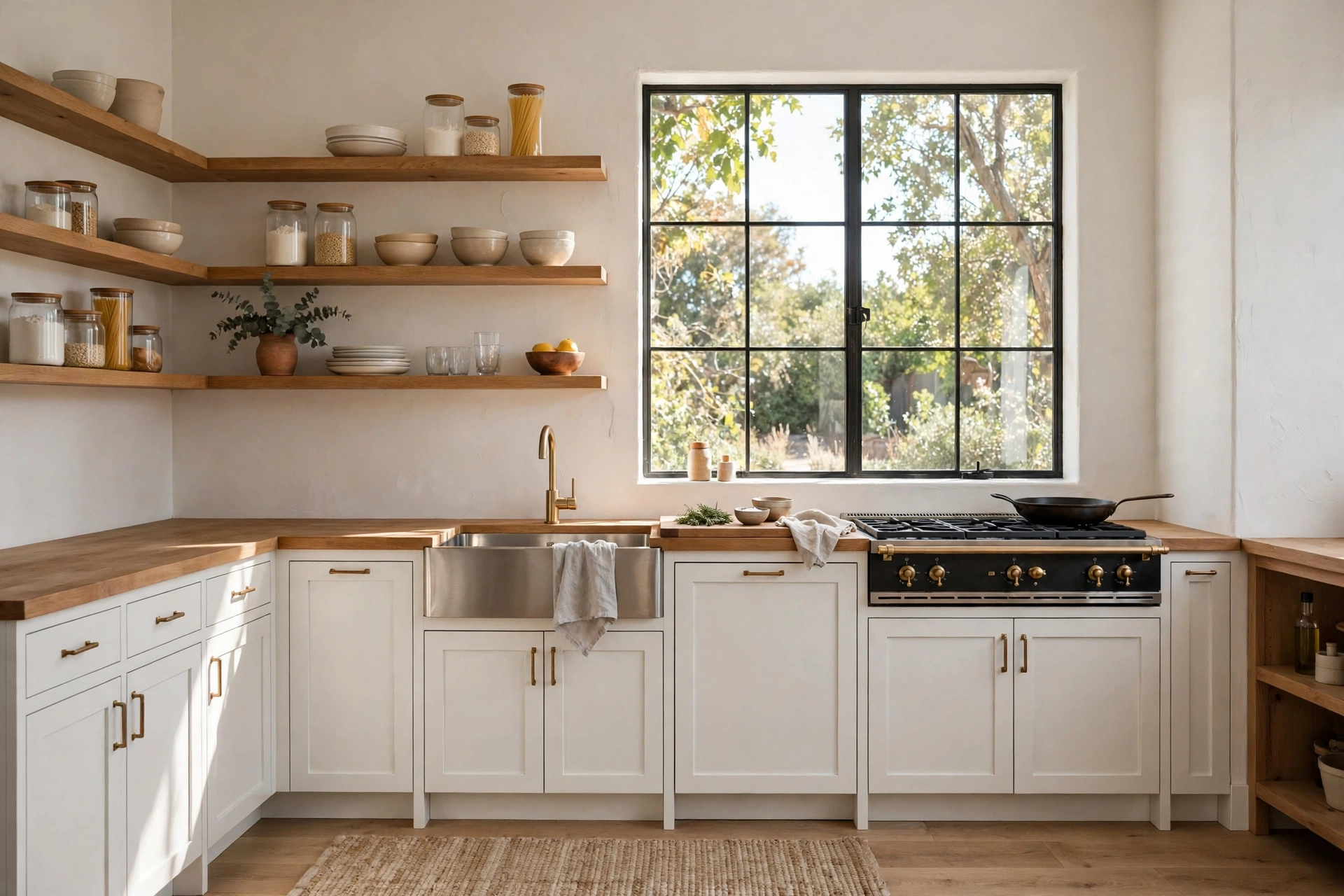
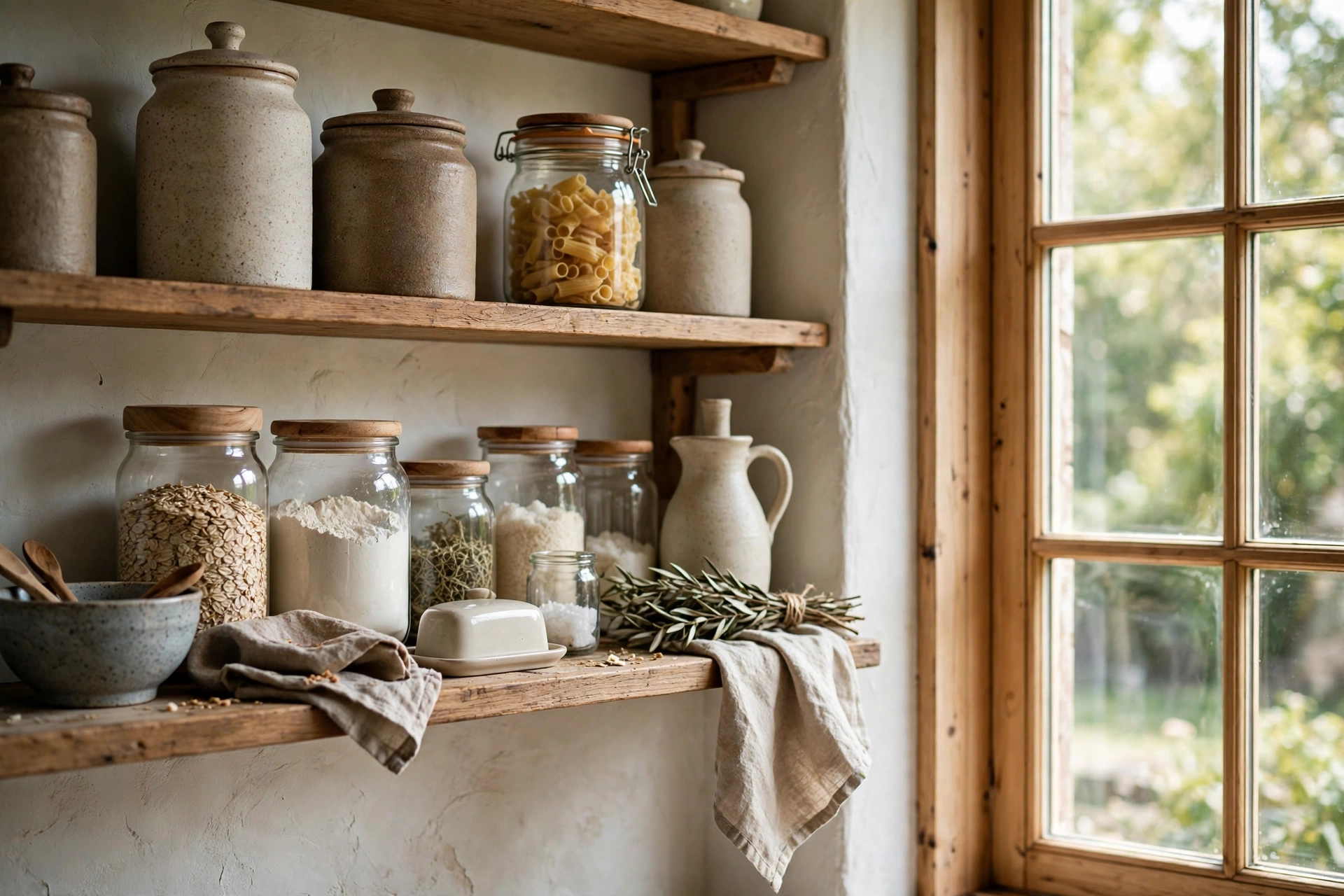
3. Open shelves for the pretty, drawers for the rest. The open wall is not for everything — it is for the dozen things that look good: stoneware, glass jars, a few plants. Everything ugly goes in drawers and the tall unit, and the shelves stay calm. Shelf styling is in our kitchen open shelving ideas guide.
4. Use the wall you freed. A window, a picture rail, a magnetic knife strip, hanging rails for utensils — the wall without cabinets finally earns its keep. A rail beside the hob alone frees a whole drawer.
Making the Open Wall Work
5. Keep shelves shallow and short. Shelves deeper than about 28cm turn into dark caves; two or three short runs beat one long, overloaded one. If a shelf needs a step stool to reach, it is too high — reassign it to decoration only.
6. One material for shelves and worktop. Wood shelves over a wood worktop, or stone shelves over stone, look intentional. Mixed materials on an open wall look like leftovers. Match, and the wall reads as designed.
7. Light the open wall properly. Without cabinets to hide strips under, the open wall needs its own light: a picture light, a rail, or well-placed ceiling spots. Unlit open shelves look gloomy by evening, however bright the room is by day.
8. Dust is the honest price. Open shelves collect dust and cooking grease in a way closed cabinets do not. The fix is editing, not cleaning harder: fewer things on the shelves, and the daily-use things only, so wiping takes a minute. Small-room storage discipline is in our small kitchen storage ideas guide.
When to Keep Some Cabinets
9. Small kitchens need one closed run. In a very small kitchen, removing every upper cabinet can genuinely lose too much storage. Keep one closed run — over the sink, or on the least-visible wall — and open the rest. Half-open beats all-or-nothing.
10. Renters can fake it. If the cabinets cannot come down, removing just the doors, or painting the wall run the wall colour, gives most of the airy feeling with none of the landlord trouble. Renter-safe changes are in our renter-friendly kitchen ideas guide.
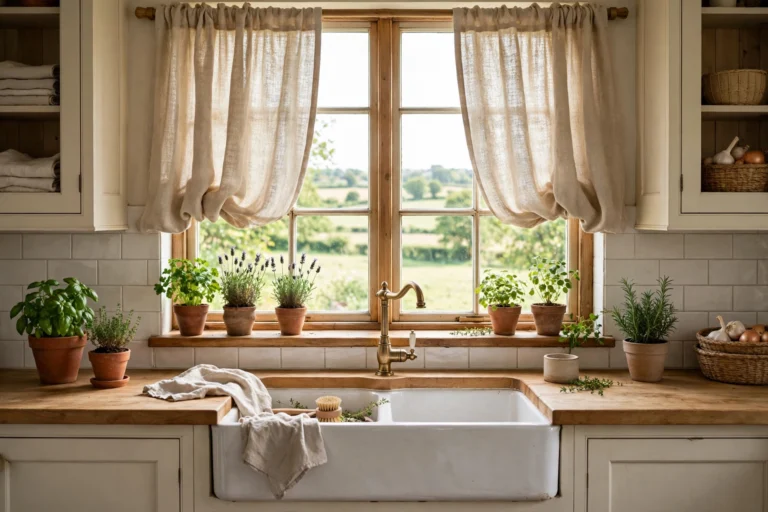
11. The window wall is the best wall to open. If only one wall can lose its cabinets, make it the window wall: light doubles, the room feels twice as wide, and the view becomes the decoration. This is the single highest-impact change in this whole list.
12. Start with one run, not the whole kitchen. Take down one run of uppers, live with it for a month, and see what you actually miss. Most people miss nothing — and then the second run comes down with confidence. The open-plan version of this freedom is in our open plan kitchen ideas guide.
A kitchen without upper cabinets is not a kitchen without storage. Deep drawers, one tall unit and a few honest shelves hold everything the old wall units held — and leave the room lighter, brighter and far easier to live in.