14 Black Kitchen Ideas That Feel Warm, Not Like a Cave
Every black kitchen that fails, fails the same way: the colour was blamed, when the light was the problem. Black absorbs light and shows texture — give it daylight, warm materials and one metal to shine against, and it is the richest, calmest colour a kitchen can wear. These 14 ideas are ordered by what actually decides success.
How Much Black Your Room Can Take
1. All-black in a bright room only. Floor-to-ceiling black needs a big window or a second light source to pay for it. With real daylight, it reads as architecture; without it, even a large room closes in.
2. Black lowers, light uppers — the safe full stop. If your light is ordinary, take the proven split: black where the weight belongs, pale above eye level. It is the dark end of the balance rules in our two-tone kitchen cabinets guide, and it almost never dates.
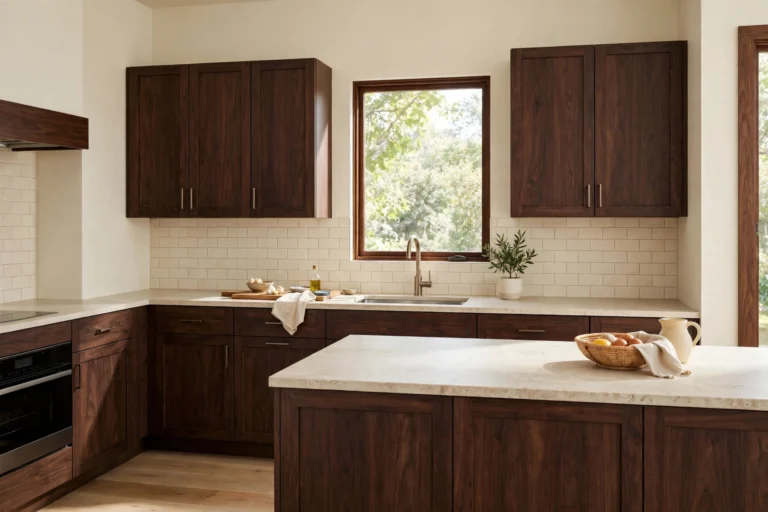
3. One black element in a light kitchen. A black island, a black range, a run of black tall units — a single anchor gives a white or wood kitchen the depth it was missing, with none of the risk.
4. In a small kitchen, black on the shortest run. A galley or compact room can carry black beautifully on one short wall of units, with the long runs kept light. Depth on the end wall even makes the room read longer.
Surfaces That Warm Black Up
5. Wood is black’s best friend. An oak or walnut worktop, a wood floor, one open shelf — timber’s grain and warmth stop black reading as a product showroom. If you change nothing else, change a black worktop for wood.
6. Pale stone or concrete-look floors. The floor is the largest light surface left in a black kitchen. Keep it pale and the room floats; go dark underfoot as well and you have built the cave everyone warned you about.
7. A backsplash with life in it. Handmade-look tiles with tonal movement, a veined stone, or warm white metro tiles — black cabinets are the perfect frame for a surface with variation, because the frame itself has none.
8. Matt, not gloss. Gloss black shows every fingerprint, splash and reflection at once. Matt and soft-sheen finishes show texture instead — calmer, more expensive-looking, and far easier to live with daily.

Metals, Light and the Living Details
9. Brass or aged bronze to warm it. Warm metals against black are the classic pairing for a reason: they glow. Chrome and steel keep black cool and commercial — fine in a chef’s kitchen, stark in a family one.
10. Black taps and handles disappear — decide if you want that. Tone-on-tone hardware gives a seamless, architectural block. Contrasting hardware gives the room its jewellery. Both are right; drifting between them cabinet by cabinet is the only wrong answer.
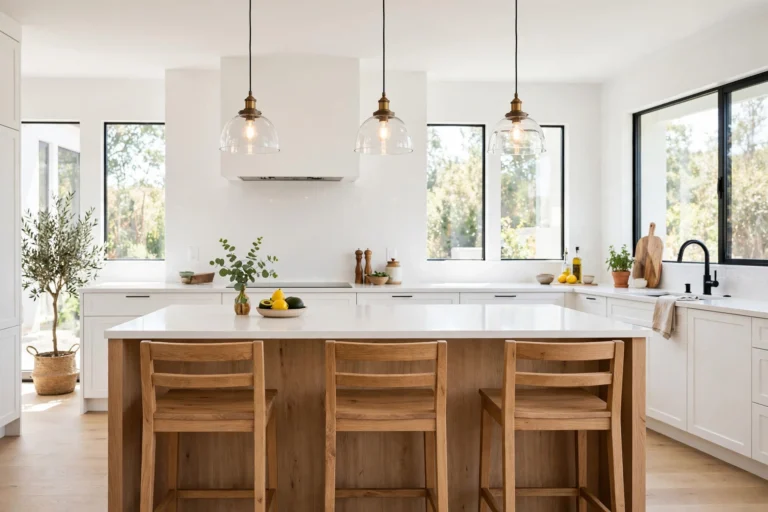
11. Lighting is not optional here. Black kitchens need the layered plan other kitchens can skip: pendants for the island, and proper task light under the cabinets, as our under-cabinet lighting ideas sets out. Fit the lighting budget before the second coat of black paint.
12. Greenery reads twice as green. A herb pot, a trailing plant on a shelf — against black, green looks saturated and alive, and it is the cheapest softness the room will ever get.
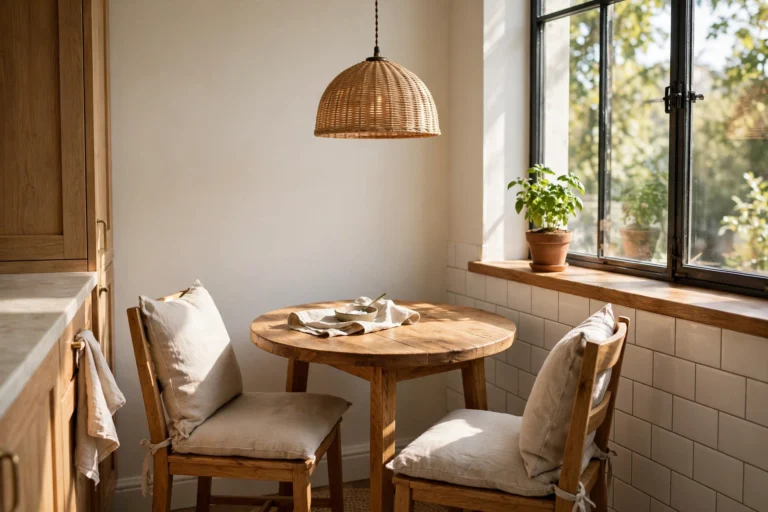
13. Keep one pale, lived-in texture in view. A linen runner, pale ceramics on an open shelf, a wooden board that never gets put away. Black kitchens in magazines look empty; black kitchens that work have these small warm interruptions left out on purpose.
14. Test black in your room’s worst light. Black shifts more than any colour — blue-black in north light, warm and soft in evening sun. Paint the largest door, live with it on a grey afternoon, and only then commit the run.
Decide the dose by your daylight, warm it with wood and brass, and light it like you mean it. Do those three and black stops being the brave choice — it becomes the calm one.